Engineered Water Purification
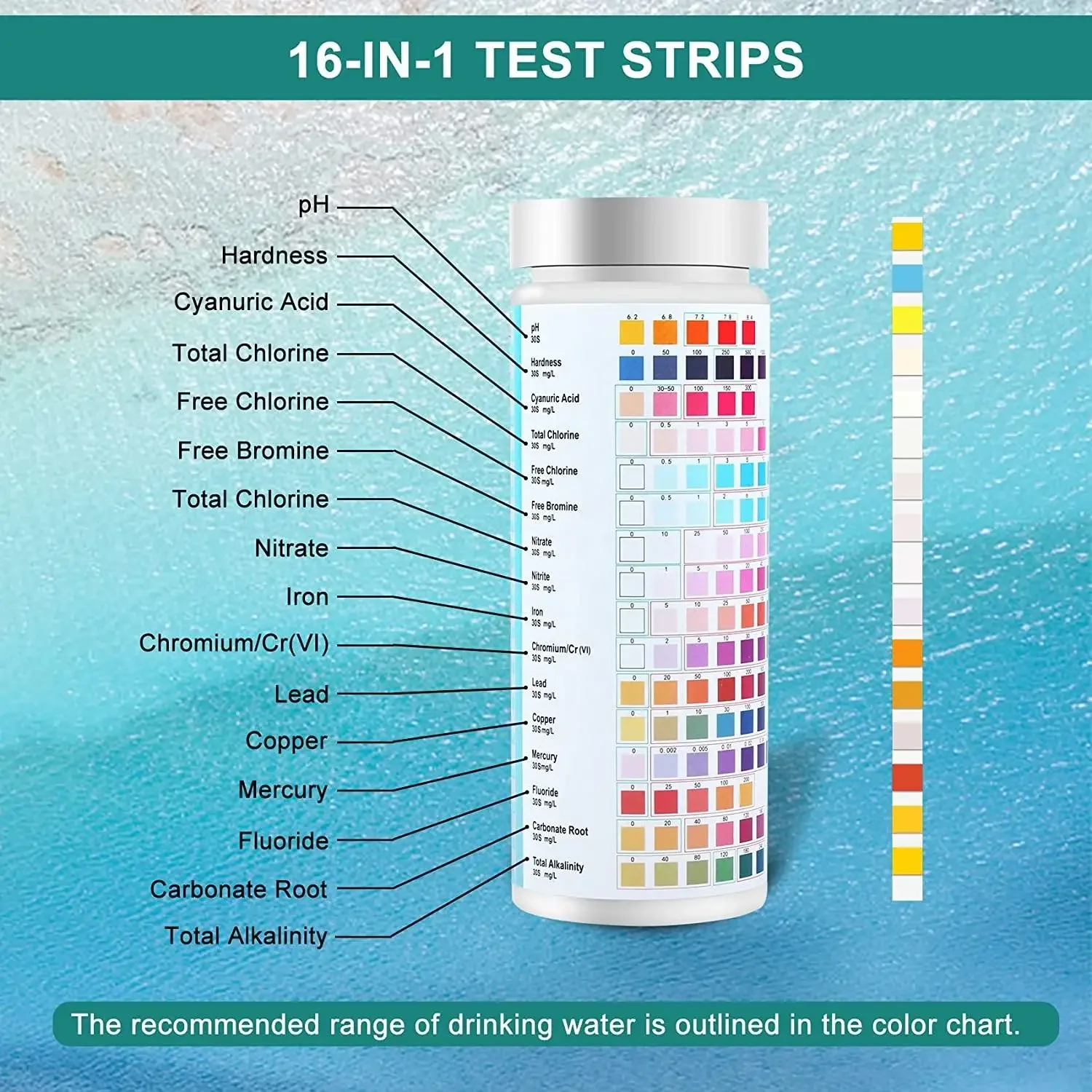
Want to know what is really in your water?
Take a look at what is in your glass of water.
There is the chlorine, the sediment and dissolved minerals that put an odd taste to it. You may not be able to see it, but they are there to be tasted.
Let's talk about bottled water: an expensive daily habit that burns through cash, wastes pristine plastic, and chains you to endless grocery runs. Conventional filter systems aren't much better—bulky, space-hogging tanks that practically swallow your entire under-sink cabinet.
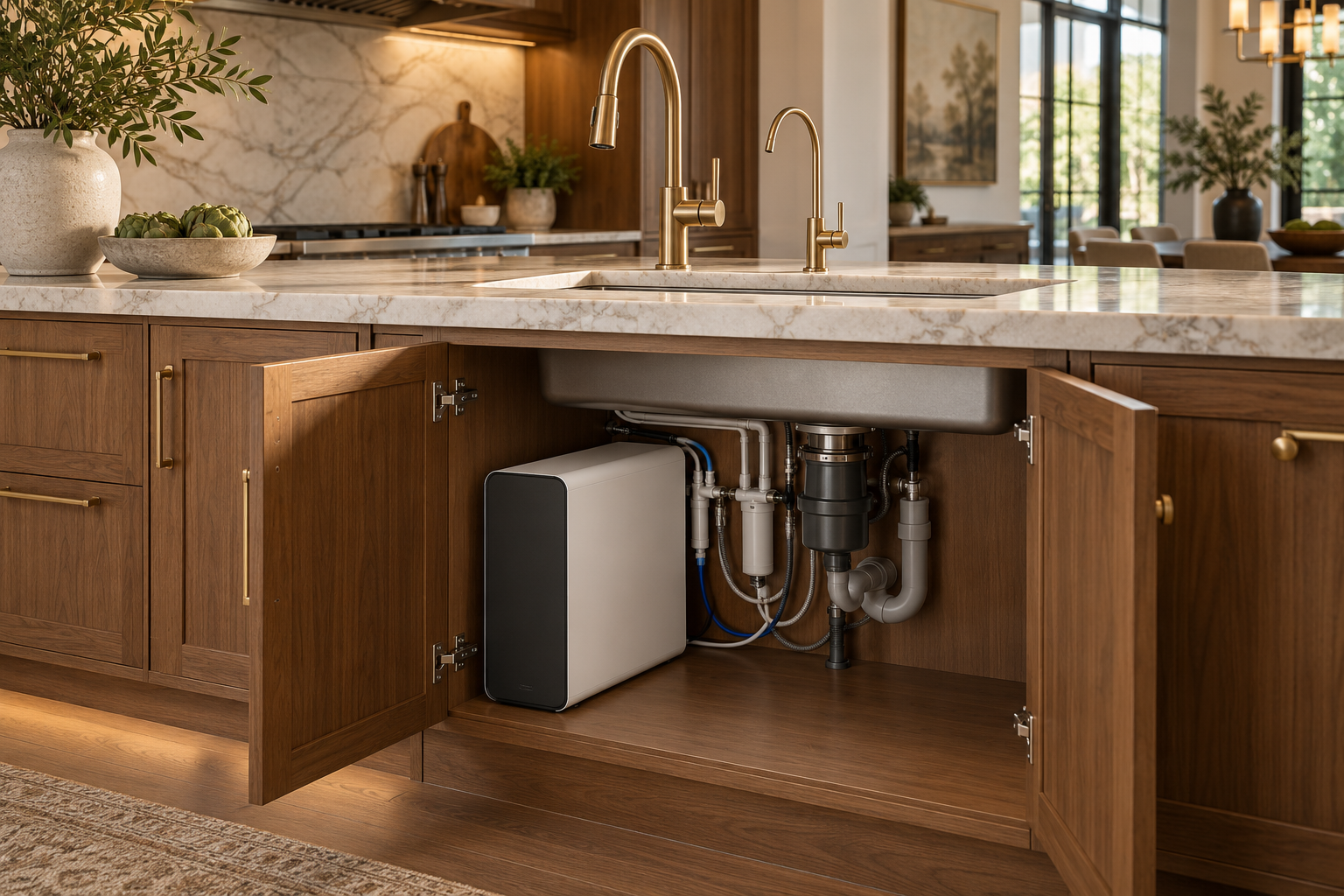
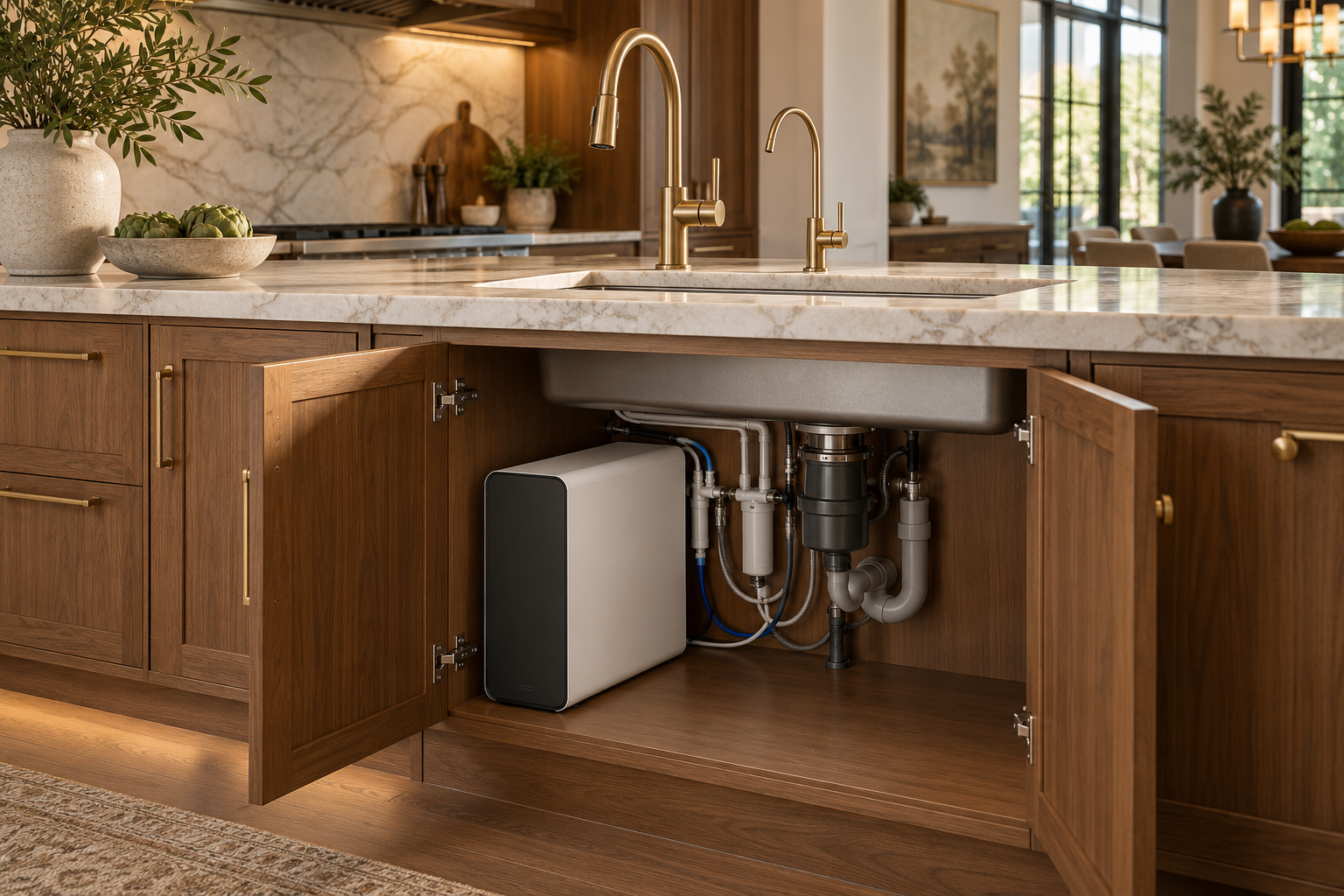
There is another way with Hardy Reverse Osmosis. This tankless unit does its work right at the sink. The membrane takes care of most of the dissolved contaminants for a fresh, clean taste in every glass. Being without a tank means you can have your cabinet space back, too.
It makes in your morning coffee, cooking, even ice will be free of that tap-water flavor.
Experience pure refreshment at your fingertips
Featured Filtration Systems
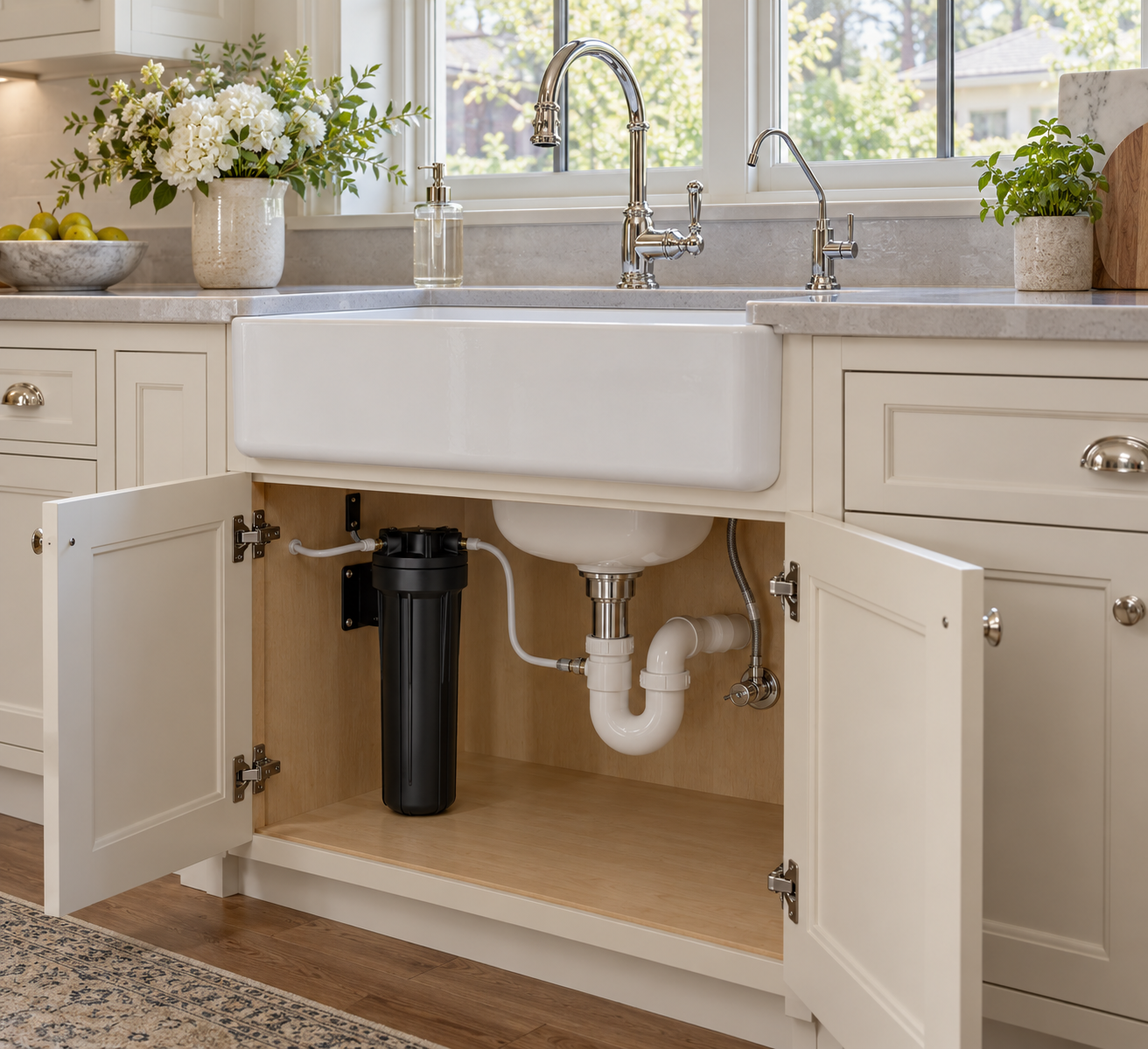
3M has had multiple lawsuits because of forever chemicals ending up in a lot of peoples water supply worldwide. Pfas have showed up in almost every water source imaginable. Pfas are dramatically reduced through reverse osmosis and carbon water filtration systems.
A carbon water filter reduces chlorine taste and odor for fresher-tasting drinking water. Depending on the model, it can also reduce certain chemicals, including some PFAS. Choose a filter certified for the specific contaminants you want to reduce, and replace cartridges as recommended to maintain performance.
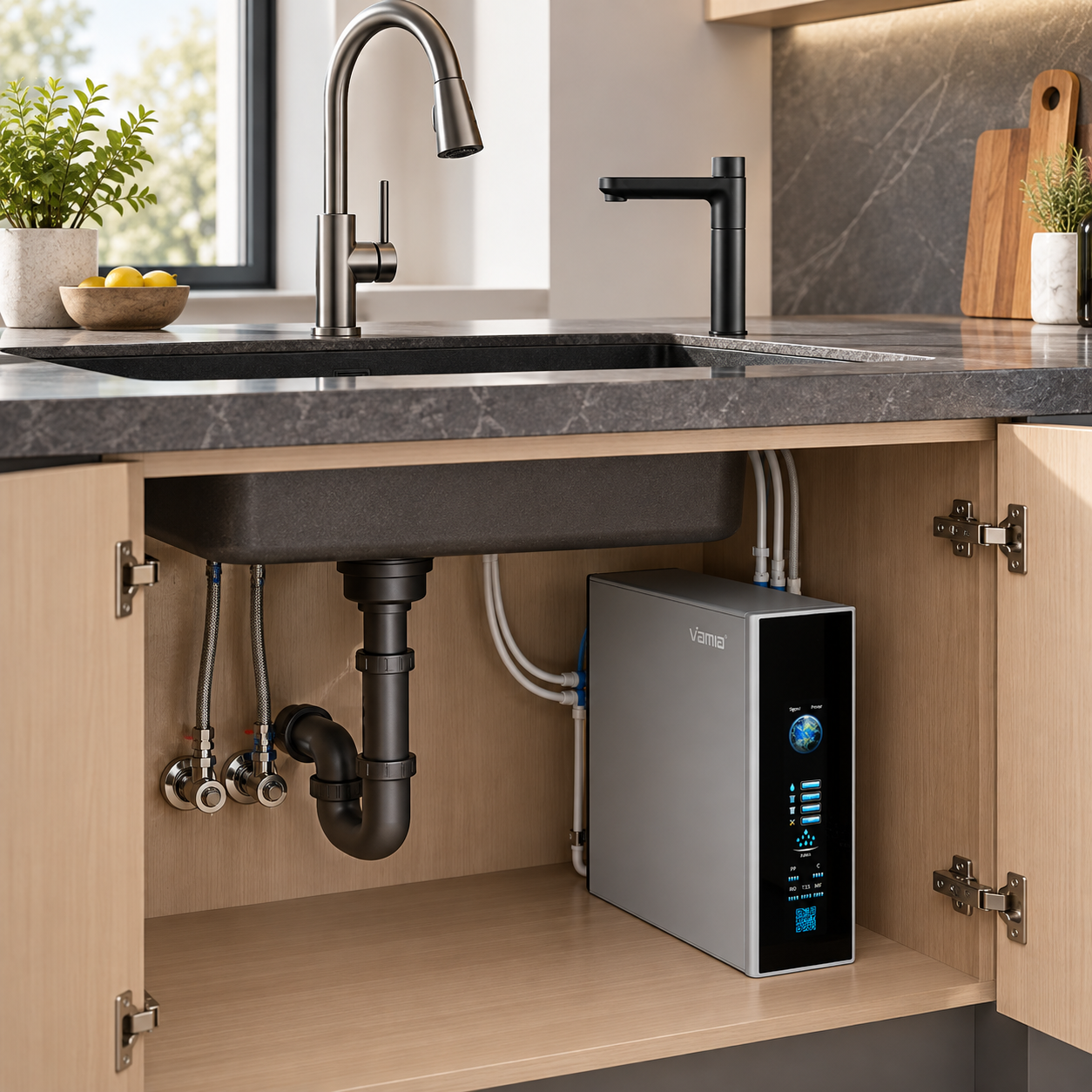
Reverse Osmosis: Reduce Heavy Metals and “Forever Chemicals” in Your Drinking Water
What’s in your water isn’t always visible. Certain dissolved contaminants can be present without changing its appearance, taste, or smell. A properly selected and maintained reverse osmosis system can greatly reduce certain heavy metals and PFAS, giving you greater control over the water you drink.
How Reverse Osmosis Works
Reverse osmosis, or RO, uses water pressure to push water through a semipermeable membrane. The membrane separates treated water from a concentrated stream that carries rejected contaminants to the drain. Under-sink systems deliver the treated water through a dedicated drinking-water faucet.
Reducing Heavy Metals
RO systems can reduce contaminants such as lead and arsenic, but performance depends on the specific system and the contaminants present. Choose a model independently certified for the substances you want to reduce, and review its performance data sheet for tested reduction levels and operating conditions.
Reducing PFAS—Often Called “Forever Chemicals”
PFAS are a large group of chemicals often called “forever chemicals” because they resist breaking down in the environment. Reverse osmosis is an effective treatment technology for reducing many PFAS in drinking water. However, effectiveness varies, and no system should be assumed to remove every PFAS completely.
Choose Filtration Based on Your Water
Start with your water utility’s quality report or appropriate water testing. Knowing which contaminants are present helps you select a system that addresses your needs.
Keep your system performing by replacing filters and maintaining the membrane according to the manufacturer’s instructions. Proper maintenance is essential for continued contaminant reduction.
Explore reverse osmosis for your home and choose a system with documented performance for the contaminants that matter to you.
Contaminant reduction varies by model, incoming water quality, operating conditions, and maintenance. Specific reduction percentages and certification claims must be supported by the exact product’s performance documentation.
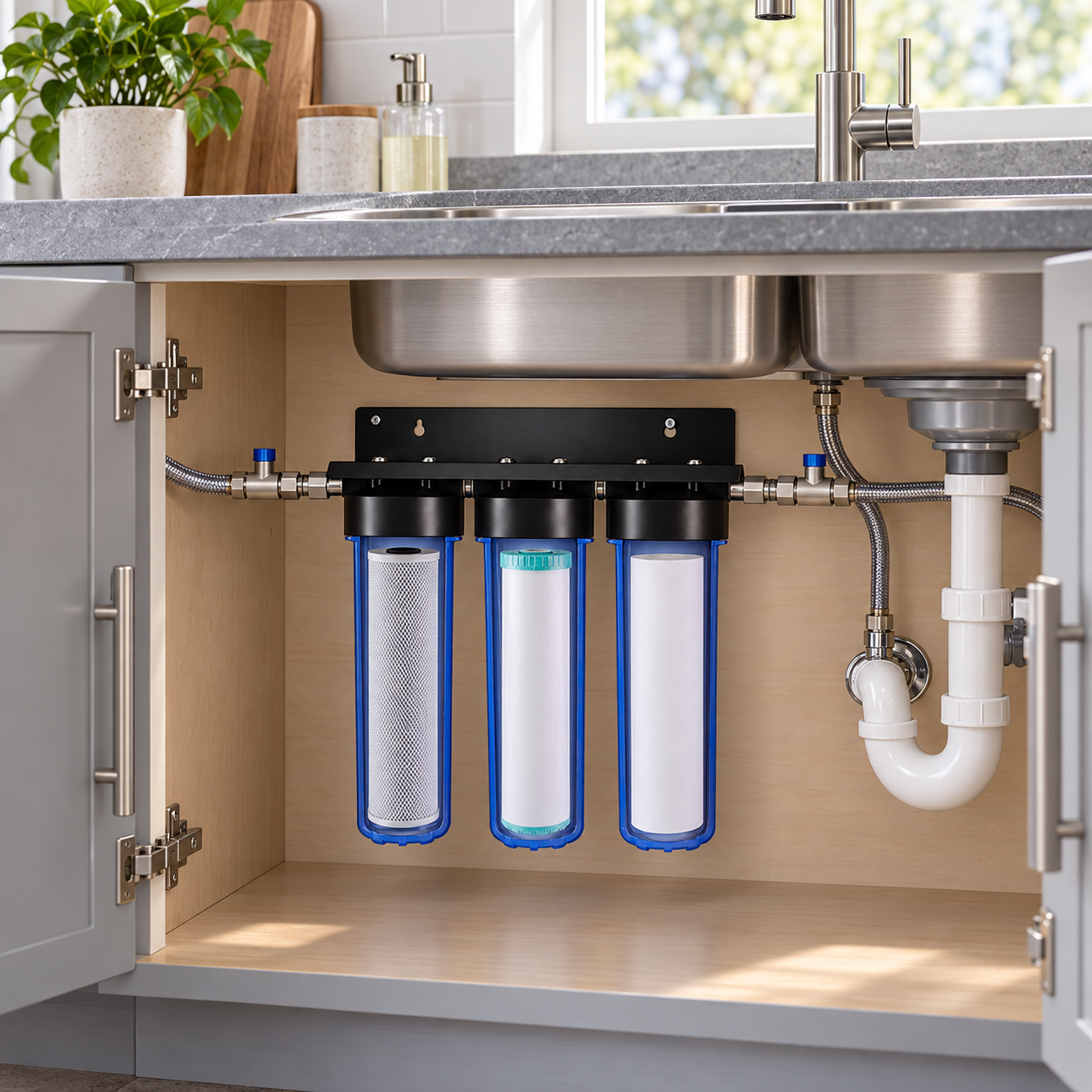
Multistage Water Filters: Better-Tasting Water, Layer by Layer
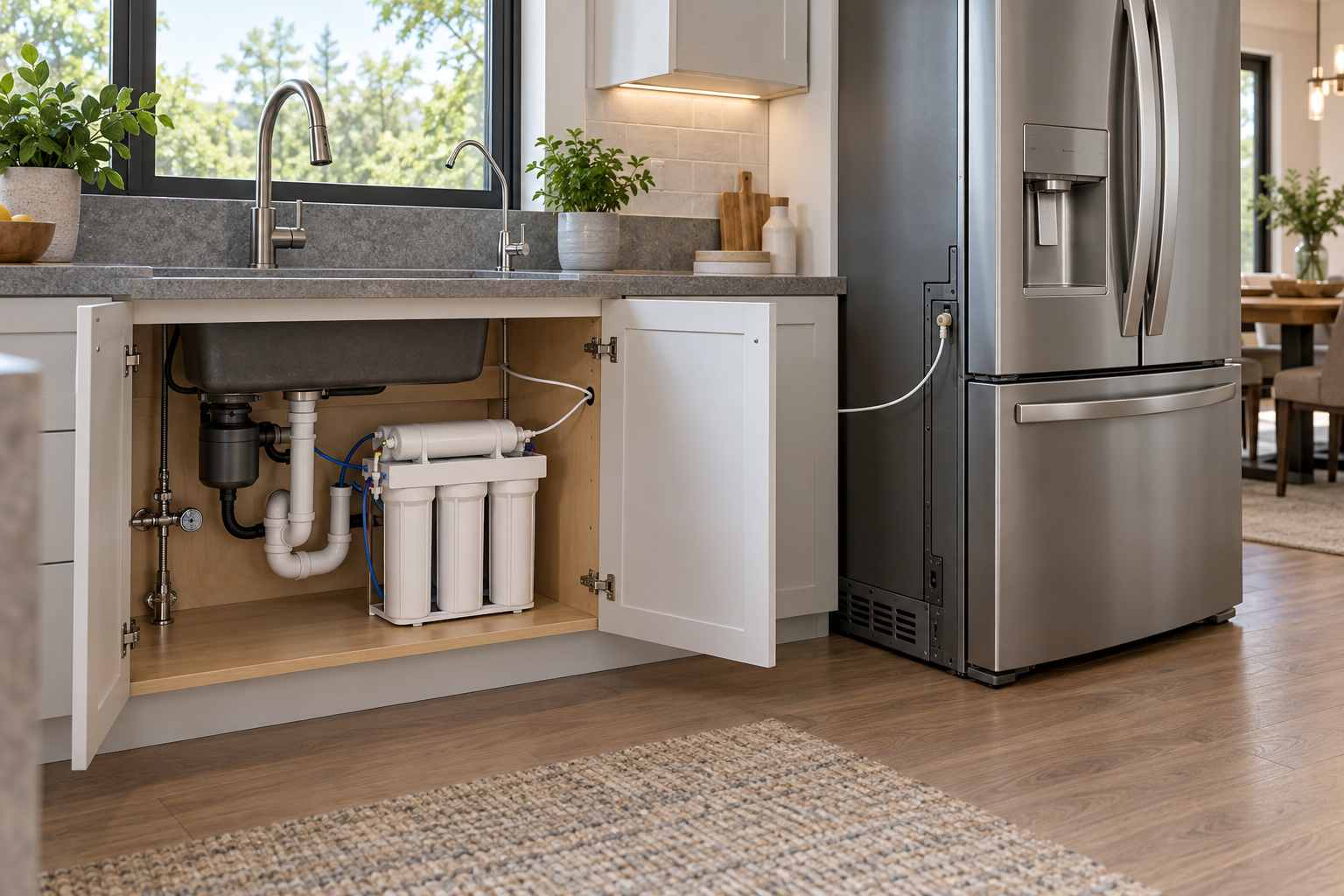
A multistage water filter combines several filtration steps in one system. Each stage serves a different purpose, helping address sediment, unpleasant tastes and odors, or specific contaminants. Together, these stages provide a convenient way to improve drinking water at your kitchen sink.
How the Stages Work
Sediment filtration often comes first. This stage captures particles such as sand, rust, and silt, while helping protect the filters that follow.
Activated carbon filtration reduces chlorine taste and odor, making water more enjoyable to drink. Depending on the carbon media and the system’s verified performance, it may also reduce certain organic chemicals.
Additional treatment stages vary by model. Some systems include specialized media for specific contaminants. Others incorporate a reverse osmosis membrane to reduce dissolved substances. A final carbon stage may polish the taste before water reaches your glass.
Convenient Water for Everyday Use
An under-sink multistage system keeps filtration equipment out of the way while providing treated water for drinking, cooking, coffee, and tea. Having filtered water readily available can also make it easier to refill reusable bottles and reduce reliance on bottled water.
Choose Performance, Not Just More Stages
The number of stages does not tell the whole story. A well-designed three-stage filter may be a better fit for your needs than a system with more stages. What matters is the quality of the filter media, the system’s capacity, and its tested ability to reduce the contaminants present in your water.
For concerns such as lead or PFAS—often called “forever chemicals”—look for independent certification that specifically lists reduction of those contaminants. Not every multistage filter reduces heavy metals or PFAS, and a carbon-only system generally does not substantially reduce total dissolved solids.
Keep Your System Working Well
Replace cartridges according to the manufacturer’s schedule and follow its installation and maintenance instructions. Filter life depends on water quality and usage, so timely replacement helps maintain performance and water flow.
With the right combination of filtration stages, you can enjoy better-tasting water and targeted contaminant reduction in one convenient system.